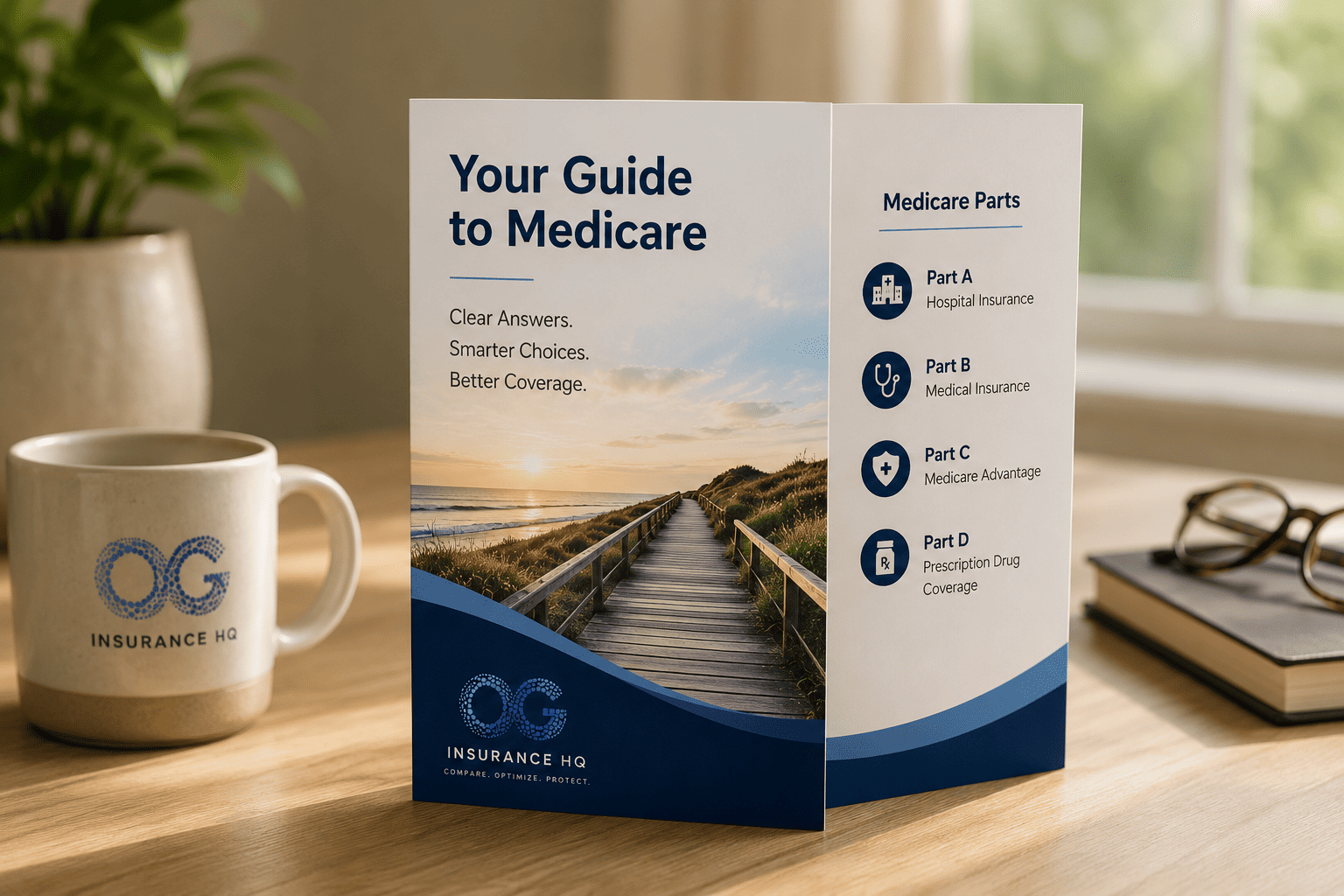
Why So Many Retirees Are Choosing Medicare Advantage
When you first become eligible for Medicare, you are immediately handed a decision that most people have not spent much time thinking about: do you stick with Original Medicare, or do you choose a Medicare Advantage plan? For a growing number of retirees, the answer is Advantage, and the numbers reflect it. As of 2024, more than 33 million Americans are enrolled in Medicare Advantage plans. That is over half of all Medicare beneficiaries.
The appeal is easy to understand. A single Medicare Advantage plan can bundle your hospital coverage, doctor coverage, prescription drugs, dental, vision, and even hearing benefits under one monthly premium that, in many cases, is dramatically lower than what you would pay if you tried to piece together those benefits separately. For retirees on fixed incomes watching every dollar, that kind of simplicity has real financial value.
But Medicare Advantage is not for everyone. The plans work through provider networks, and if your specialist is not in the network or you travel frequently, the math can change fast. The key is understanding what these plans actually offer before you commit.
What Medicare Advantage Is (And What It Is Not)
Medicare Advantage, also called Medicare Part C, is not a replacement for Medicare. You remain enrolled in Medicare. What changes is how you receive your benefits. Instead of Medicare paying providers directly, a private insurance company approved by Medicare administers your coverage. Medicare pays that company a set amount each month to provide your benefits, and the company offers the plan to you, often with additional perks that Original Medicare does not provide.
What Medicare Advantage Plans Typically Include
At minimum, every Medicare Advantage plan must cover everything that Original Medicare Part A and Part B cover. Most plans go significantly further by adding:
Prescription Drug Coverage
Most Medicare Advantage plans include Part D drug coverage, which means you do not need to purchase a separate standalone drug plan. This matters because a standalone Part D plan adds another monthly premium and another set of formulary rules to manage.
Dental Coverage
Original Medicare covers almost nothing when it comes to your teeth. Many Advantage plans offer routine cleanings, X-rays, fillings, and even dentures or major restorative work up to a specified annual benefit limit. Coverage levels vary significantly, so checking the specific dental benefit is worth doing carefully.
Vision Coverage
Eye exams, prescription lenses, frames, and contacts are not covered under Original Medicare. Many Advantage plans provide an annual allowance for vision services that can meaningfully reduce what you pay for glasses or contacts each year.
Hearing Coverage
Hearing aids can cost $4,000 to $7,000 or more per pair. Original Medicare does not cover them. Some Medicare Advantage plans provide hearing exams and hearing aid benefits that make this cost far more manageable.
Over-the-Counter Allowances and Wellness Programs
Many plans include quarterly or annual allowances for over-the-counter health products, as well as fitness benefits and health coaching programs. These benefits vary by plan and carrier and are worth comparing side by side.
HMO Plans: Coordinated Care at Lower Cost
Health Maintenance Organization plans typically require you to select a primary care physician who coordinates your care. You generally need referrals to see specialists, and you stay within the plan’s provider network for covered care. In exchange, HMO plans often have lower premiums and copays. For retirees with established local doctors who are in the network, HMO plans can deliver excellent value.
PPO Plans: Flexibility With a Wider Network
Preferred Provider Organization plans give you more flexibility. You can usually see out-of-network providers, though at a higher cost than staying in-network. Referrals are generally not required to see a specialist. PPO plans typically come with higher premiums than HMO plans, but for retirees who travel, maintain multiple residences, or see a variety of specialists, that flexibility can be worth the difference.
Special Needs Plans
Special Needs Plans are Medicare Advantage plans designed for specific populations: those with chronic conditions like diabetes or heart failure, those who qualify for both Medicare and Medicaid, and those in institutional care settings. If you or a family member has ongoing complex healthcare needs, these plans can offer coordinated benefits tailored to those specific circumstances.
The Real Cost of Medicare Advantage
Medicare Advantage premiums vary widely. Some plans have zero monthly premium. Others charge $50, $100, or more per month. But premium is only part of the equation. You also need to look at copays, deductibles, coinsurance, and most importantly, the plan’s annual out-of-pocket maximum. That maximum is a critical protection. Once you reach it, the plan covers 100 percent of covered costs for the rest of the year. Original Medicare has no out-of-pocket maximum, which means unlimited exposure.
Medicare Advantage and Travel
If you travel frequently or spend part of the year in another state, Medicare Advantage requires careful attention. Most HMO plans cover only emergency and urgent care outside the service area. PPO plans typically cover out-of-network care at a higher cost. If you spend significant time in multiple locations, a Medicare Supplement plan may offer better coverage than any Advantage option, because Medigap policies are accepted by any provider that accepts Medicare, anywhere in the country.
What Changes Every Year and Why Annual Review Matters
Medicare Advantage plans are allowed to change their benefits, premiums, provider networks, and drug formularies every year. A plan that worked perfectly for you in 2024 may look very different in 2025. This is why the Annual Enrollment Period from October 15 through December 7 exists, and why taking it seriously every single year can save you real money.
Real-World Example: Robert and Sandra
Robert and Sandra both retired at 65 with no major health conditions. They wanted coverage that was simple to manage and included their prescription drugs, dental, and vision all in one plan. They enrolled in a Medicare Advantage PPO plan that covered most of their doctors, included drug coverage, and offered a dental benefit that covered their annual cleanings. Their combined monthly premium was lower than they expected. Three years in, they review every fall to make sure their doctors are still in the network and their prescriptions are still covered. So far, the plan has worked exactly as they hoped.
Why OG Insurance HQ Medicare Advantage Clients Get Better Results
Comparing Medicare Advantage plans on your own is possible, but the differences between plans are subtle and the stakes are high. We review your specific medications against actual plan formularies. We check your current doctors against each plan’s network. We compare the total cost of each option including premiums, copays, and out-of-pocket maximums. And we come back with you every fall to make sure the plan you have is still the best one for you.